

Climate change

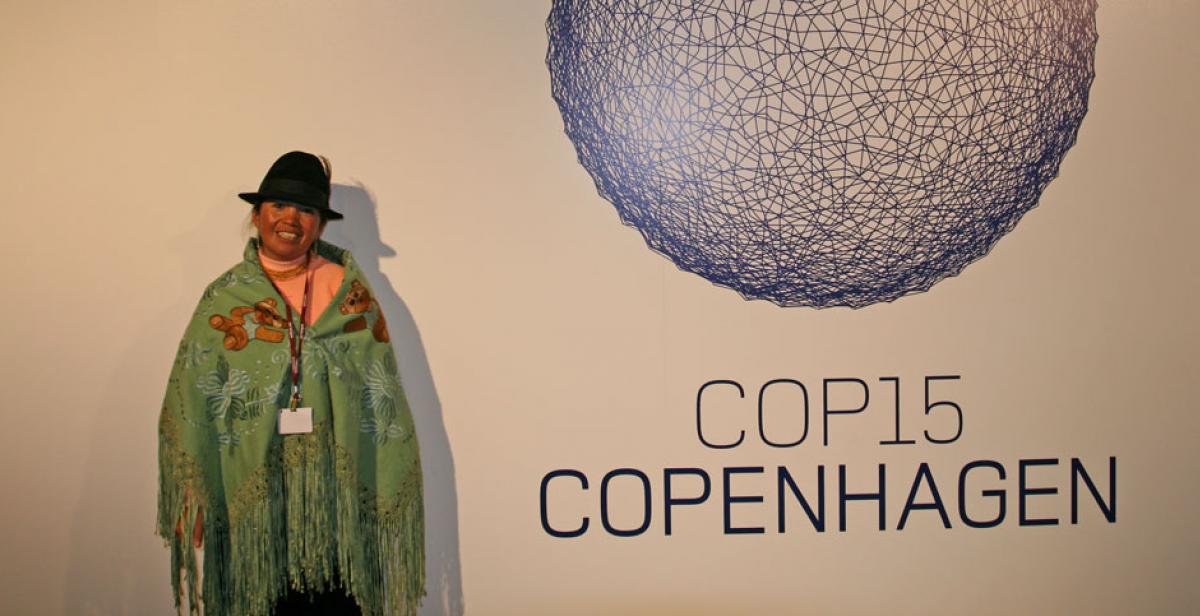
Fabiola Quishpe at the Copenhagen climate change conference
Fabiola Quishpe, a farmer from Ecuador, attended the Copenhagen climate summit as part of the Progressio delegation

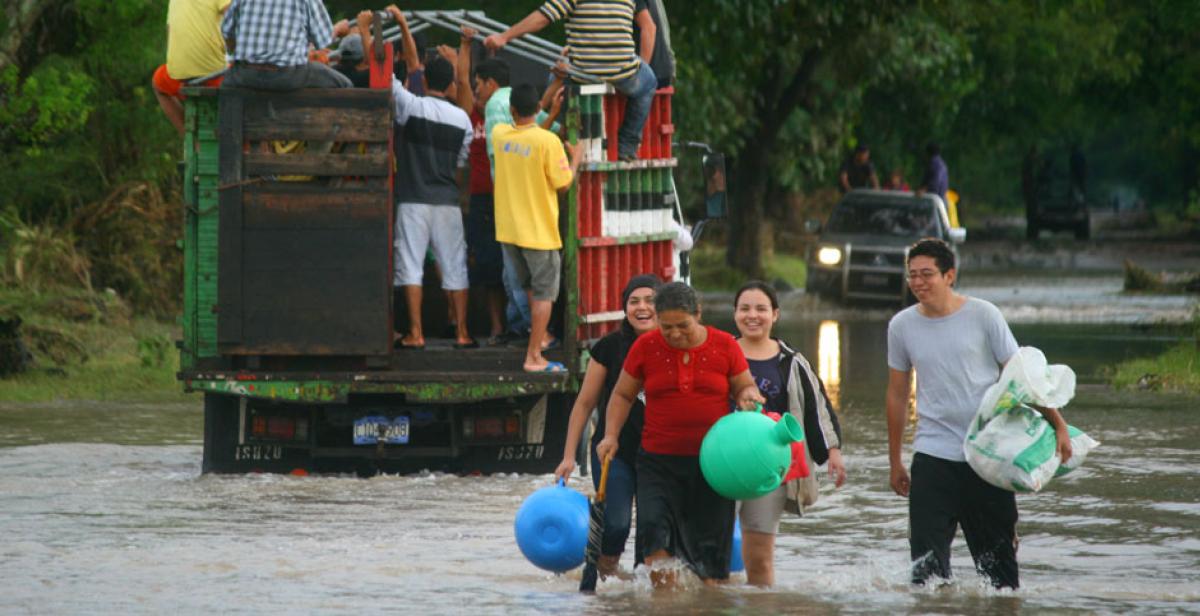
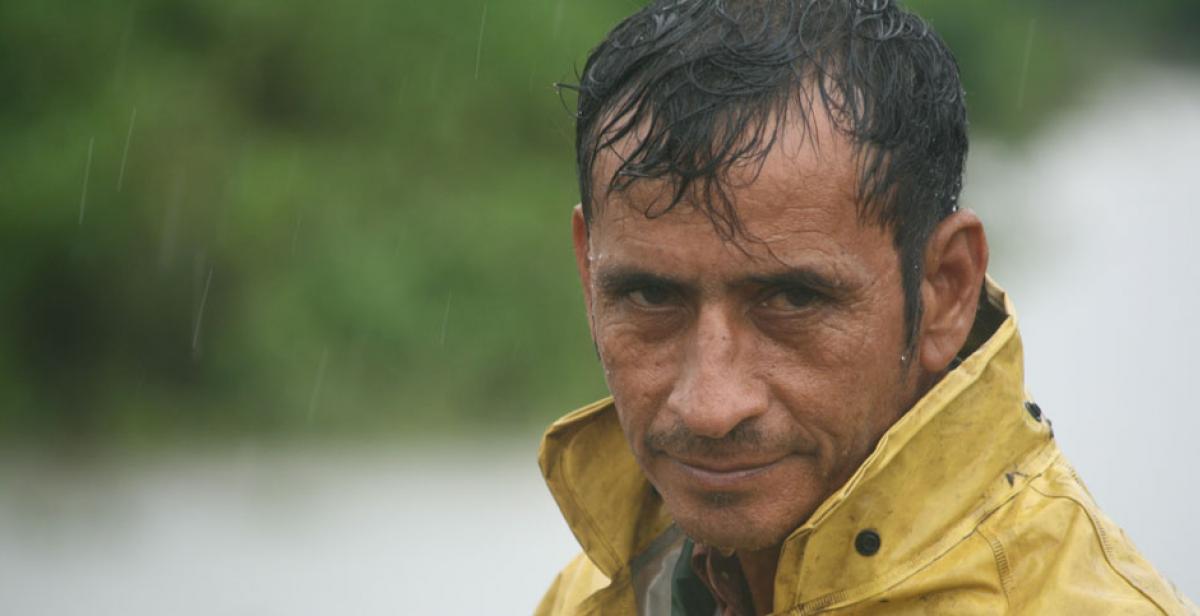
Climate change is a major threat to the whole of our planet, but it is the poorest and most vulnerable people who are being hit first and hardest.

We all have a responsibility to act to slow down and stop climate change. Our actions can have an impact on poor people in far away places.

At the same time, it is equally important to recognise that some of the effects of climate change are already taking place. We need to help those most vulnerable and those already affected to survive in an increasingly changing climate.

Adaptation

Many of our partners are already concerned about the impact climate change has had, and will have, on the ability of poor people to sustain their lives and livelihoods. Anecdotal evidence tells us about changing rain patterns, increased droughts and other difficulties.

In poor communities women are generally the ones suffering most, as they are often in charge of the practical side of ensuring the family has food on the table, water to drink and fuel for the fire.

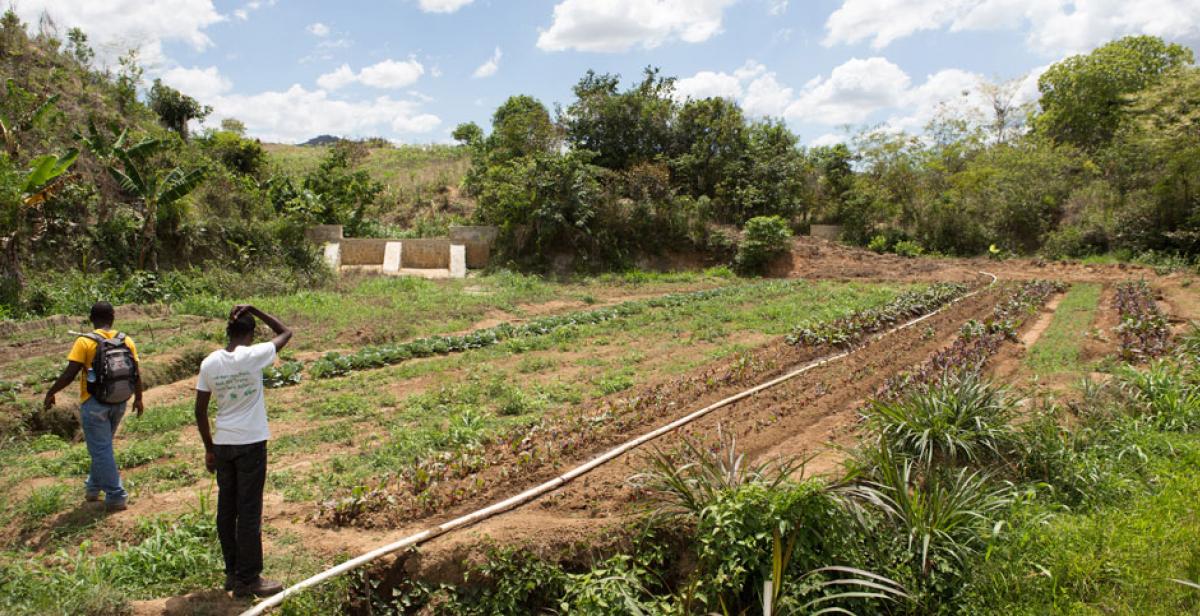
People in poor communities are already developing strategies to cope with the effects of climate change. This includes managing the natural environment sustainably – without a healthy ecosystem there is no buffer to deal with the effects of climate change.

It is essential that we work with partners to help poor communities adapt to the effects of climate change. We need to work hand-in-hand with them to find solutions that are efficient, sustainable and inclusive.

Community and ecosystems-based approaches to adaptation, that include the knowledge and voices of those most affected, are essential for getting this right. This needs to include marginalised groups and have a particular concern for the needs and rights of women.

Policy decisions

It is essential that these core messages are heard when decisions are made about how to deal with climate change now and in the future. Many of these decisions are taken far away from the people most affected.

Progressio therefore works to ensure that information about these international processes is made available to our partners. Even more importantly we work to enable their voices and priorities to be heard in these forums. That’s why we supported partners from Ecuador to attend the UN climate change conference in Copenhagen in December 2009, as well as a partner from El Salvador to join us at one of the pre-meetings in Barcelona in November 2009.

Progressio has a particular focus on water and climate change.

Progressio is a member of the Stop Climate Chaos coalition, the Working Group on Climate Change and Development (the ‘Up in Smoke’ coalition) and the Water and Climate Coalition.

In cooperation with the leading global law firm Mayer Brown, we have also produced a Climate Change Legal Reference Guide which sets out key laws on forestry and water in the context of climate change. The guide aims to help organisations working on climate change to understand the key principles underpinning international environmental law. The guide is available to download in English (470k PDF) and Spanish (515k PDF).

Catholic perspectives on climate change

There is an overwhelming scientific consensus that climate change is driven by high levels of CO2 emissions. This scientific consensus is consistent with recent Church teaching and the advice of the Pontifical Academy of Sciences.

The Church has commented on climate change within its wider teaching on care for creation, stewardship and environmental justice: clear and strong messages on this theme represent a vital contribution to contemporary thinking.

Read a Progressio briefing on climate change and environmental stewardship from a Catholic perspective here. It includes quotations from Pope Benedict XVI to our own Catholic Bishops' Conference of England and Wales among others.