

Water

Water is essential for both life and livelihoods and plays a crucial role in combating poverty and environmental degradation. Despite this, one third of the world’s population face water shortages, a figure that is expected to rise to two thirds by 2025.

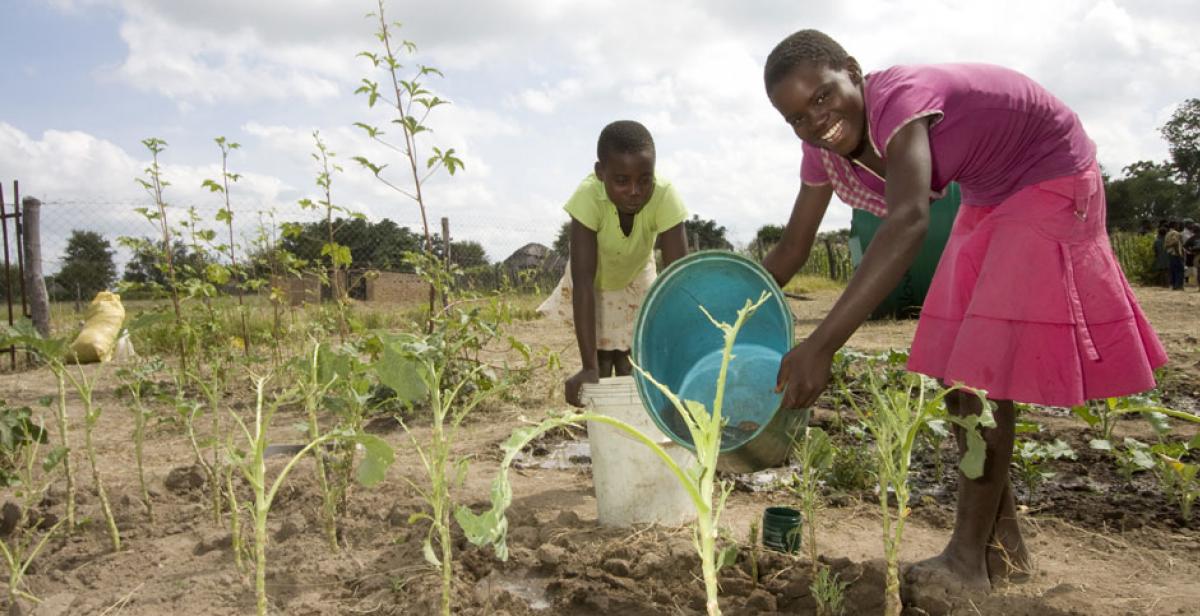
Progressio’s water focus stems from our long-standing work with partner organisations on small-scale farming. This means that our advocacy work primarily focuses on the water needed for poor people to sustain a livelihood through farming, including management and governance issues.

We co-chair Bond’s UK Water Network (UKWN), linking up the main UK-based organisations working on freshwater issues in a developing world context (Bond is a network of over 350 UK NGOs working on international development). Through UKWN we support the work of organisations and partners working on other water related issues, such as water and sanitation, including its role in achieving the Millennium Development Goals.

We are also a member of Tourism Concern's Water Equity in Tourism Steering Group.

Progressio focuses on two main areas in relation to water: water and climate change; and virtual water and poverty.

Water and climate change

Water resources are expected to be particularly affected by climate change, with increased variability in rainfall patterns, water scarcity, floods and deteriorating water quality. This has serious implications both for people and ecosystems. Some of the potential changes may be irreversible, and urgent solutions are needed.

Read our short briefing paper on water and climate change (800k PDF). See also UKWN's briefing paper Managing water in a changing climate (278k PDF) published by Bond's Development and Environment Group.

Even with a moderate 1˚C increase in temperature it is estimated that the small glaciers in the Andes will disappear, threatening water supplies for 50 million people. With a 2˚C increase there could be a 20-30% decrease in water availability in some vulnerable regions.

Many poor people around the world are already suffering from unreliable or inaccessible water resources and climate change will make this worse. In 2009 the number of hungry people in the world reached a staggering 1 billion people.

Small-scale farmers play an important role in feeding the world’s poor and currently feed around 2 billion people worldwide – a third of humanity. But they often rely on rain or small-scale irrigation for their crops, and climate change is therefore already further increasing their vulnerability. Without the right support this could spell further disaster for the world’s poor and hungry people.

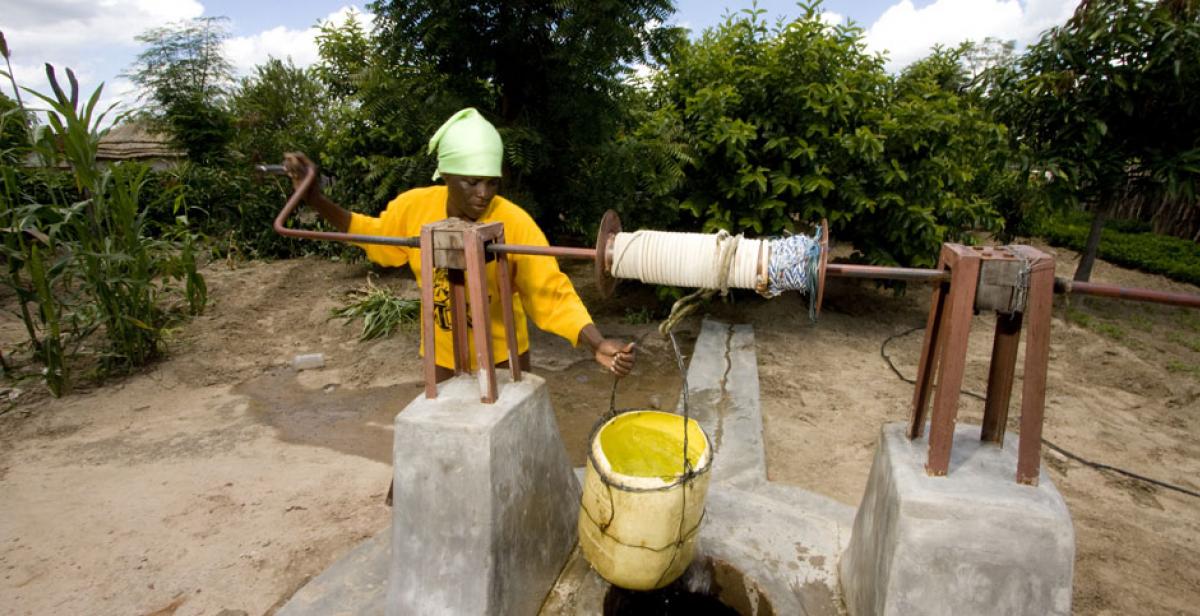
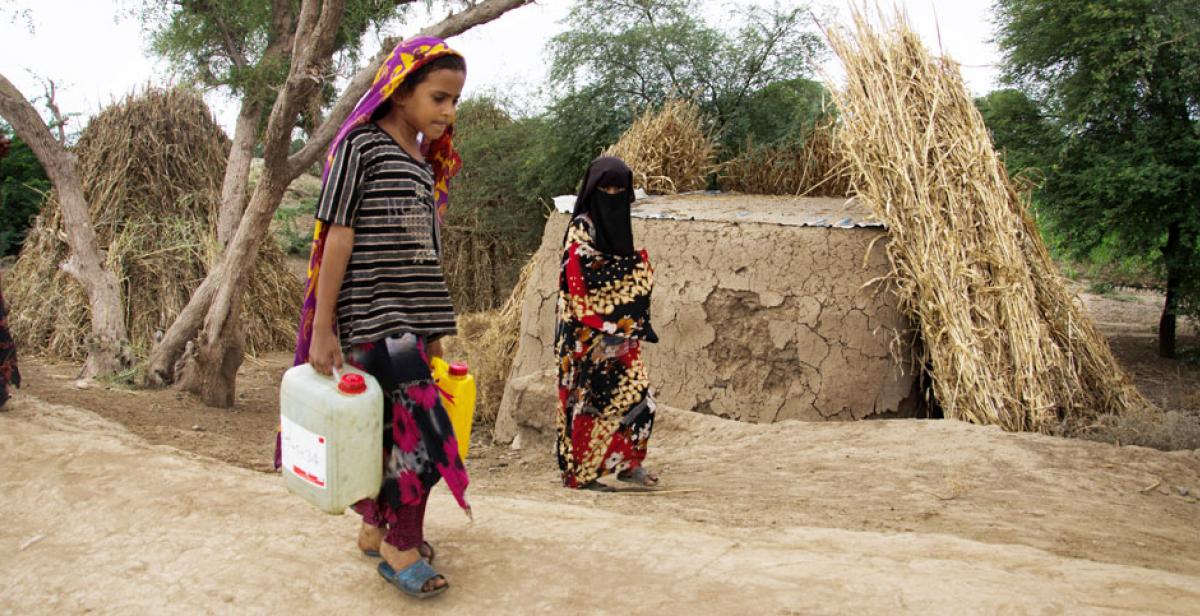
Women are often the most vulnerable as they are usually responsible for meeting the everyday water needs of the family. Already this can mean spending as much as eight hours a day carrying up to 40kg of water on their heads or hips. In Africa, women do 90% of the work of gathering water and wood, for the household and for food preparation. Often girls help, leaving less time for education. A little known fact is that women also account for around 70% of farmers worldwide, despite having little access to land rights or decision-making structures.

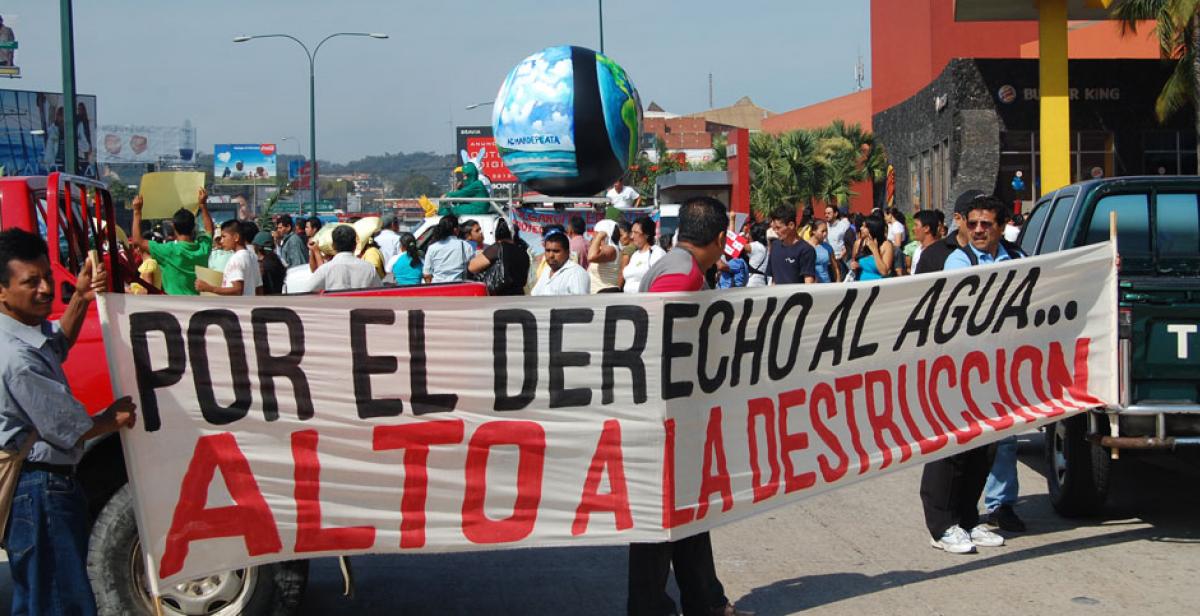
Progressio works with partners and other organisations to raise awareness of water issues at the climate change negotiations and other relevant forums, including the particular impact on women. We also work to identify and advocate for sustainable solutions.

Our Just Add Water campaign, in the run-up to the Copenhagen climate change negotiations in December 2009, aimed to ensure that water was firmly on the agenda. Progressio travelled to the negotiations with Fabiola Quishpe, a community leader from Ecuador. Working through the Water and Climate Coalition (WCC), we have continued to push for water to be part of the agenda and are pleased to report that substantial progress has been made!

In cooperation with the leading global law firm Mayer Brown, we have also produced a Climate Change Legal Reference Guide which sets out key laws on forestry and water in the context of climate change. The guide aims to help organisations working on climate change to understand the key principles underpinning international environmental law. The guide is available to download in English (470k PDF) and Spanish (515k PDF).

Virtual water and poverty

Virtual water refers to the full amount of water that is needed to produce something, including water that isn’t necessarily visible in the final product – hence the term ‘virtual’.

It can, for example, include water that is used to grow food or wash a product as part of the production chain before it reaches our shops or supermarkets. To measure virtual water we often talk about the ‘water footprint’, which includes the direct and indirect water use of a product (ie the water used in its production), by a consumer, or even by a whole nation.

This ‘footprint’ can travel across borders and links us to the rest of the world. WWF has estimated that about 62% of the UK’s water footprint is related to the consumption of imported products.

Our report Drop by drop (3.29MB PDF; or read the executive summary 360k PDF; please see also the errata note 40k PDF) demonstrates the impact of the UK's water footprint through a case study of Peruvian asparagus. The report calls for a global standard to manage water use in poor countries.

Virtual water and water footprints tell a striking story of the full scale of water needed to produce everyday food and products and where this water comes from, but this is only part of the story.

High water usage doesn’t need to be a problem if there is plenty of water around – enough to sustain a healthy ecosystem and provide essential water for the day to day needs of the surrounding communities – and if this water, and access to it, is managed in a sustainable and equitable way.

But issues arise where these needs are compromised – something which is particularly relevant in a world of increased water scarcity and variability, some directly related to climate change.

There is an urgent need for the world to better understand the true impact of virtual water and water footprints, including the impact on the poorest and most vulnerable communities. This is also relevant in the light of climate change. Progressio is working with other organisations to further the understanding of this critical issue and contribute with concrete suggestions on ways forward.